

What to look for in a sustainable, long‑lasting garden room
Most garden rooms look great, but don’t last as long as you’d hope. You want a sustainable garden room that stands strong through every season, and still feels fresh years down the line. Let’s explore the key features that make a garden room from My Retreat Garden Rooms both durable and eco-friendly, designed just for your lifestyle.
Key Features of Sustainable Garden Rooms
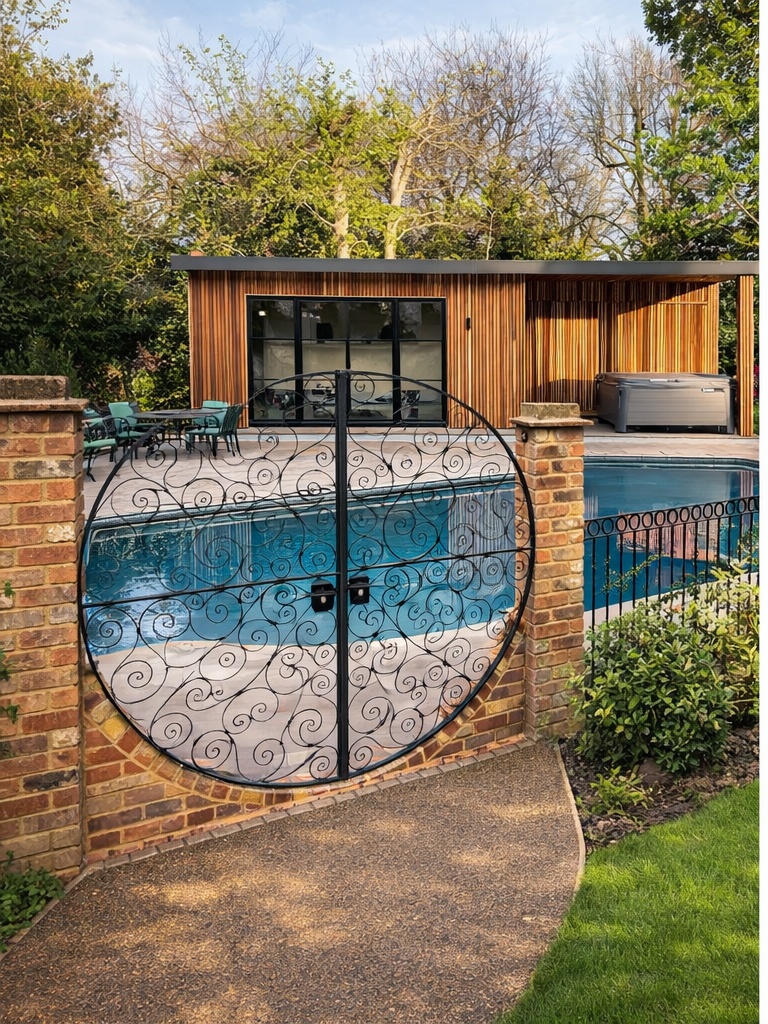
Creating a garden room that’s both eco-friendly and long-lasting involves smart choices. The materials you select play a crucial role. Let’s look at some key elements.
Importance of FSC-Certified Timber
Choosing the right wood is essential for sustainability. FSC-certified timber assures you that the wood comes from responsibly managed forests. This means less environmental impact and more peace of mind. You can rest easy knowing that your garden room’s structure supports forest conservation efforts. Plus, FSC-certified timber is sturdy, ensuring your room stands tall for years. By opting for this type of wood, you’re making a choice that helps the planet and guarantees durability.
Benefits of Low-Maintenance Cladding
Say goodbye to constant upkeep with low-maintenance cladding. This type of exterior not only looks great but also saves you time and hassle. Materials like composite cladding resist the elements, so you won’t need to paint or repair as often. Imagine spending more time enjoying your garden room rather than worrying about its upkeep. Additionally, this cladding helps insulate your space, making it more energy-efficient. It’s a win-win: less work for you and more savings on energy costs.
Choosing Double-Glazed Aluminium Doors
Doors are more than just entryways—they’re crucial for insulation and security. Double-glazed aluminium doors offer superior benefits. Their robust construction helps keep your garden room warm in winter and cool in summer. This means your heating and cooling systems don’t have to work as hard, saving you money. These doors also provide excellent sound insulation, making your garden room a perfect retreat from the noise of everyday life. With double-glazed aluminium doors, you enjoy comfort and peace of mind year-round.
Ensuring Durability for Decades
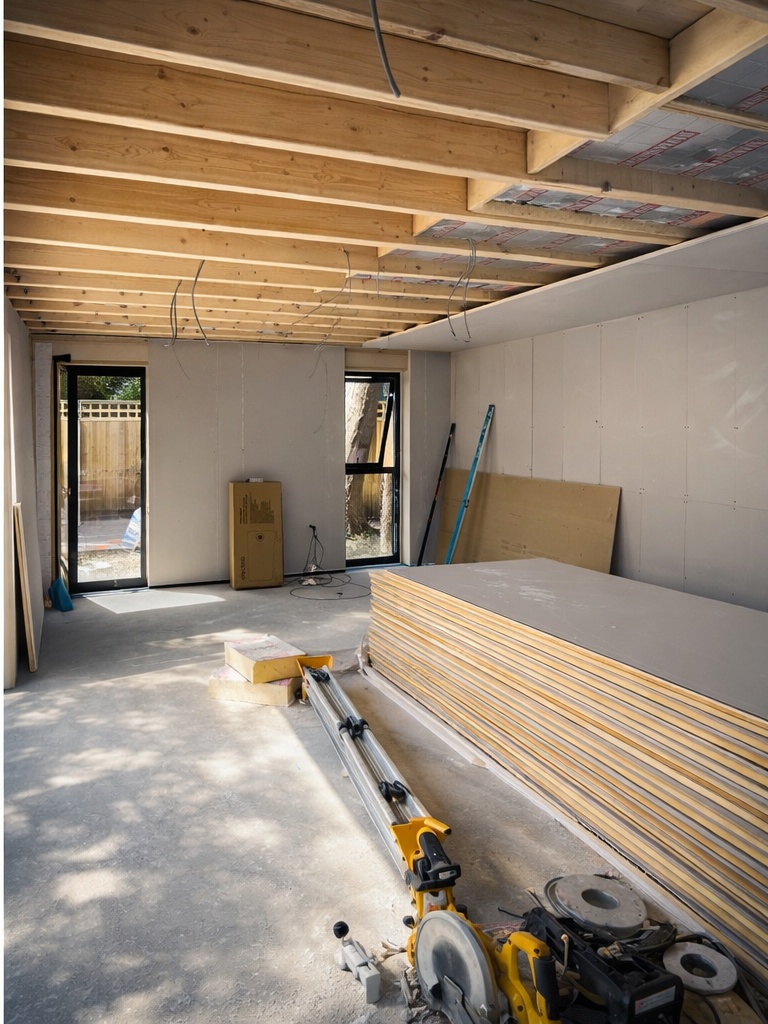
A garden room should be a lasting investment. Ensuring its durability involves integrating certain features that fortify its structure and protect it from wear and tear.
Advantages of a Steel Frame Floor
A strong base is fundamental for any building. Steel frame floors offer unmatched strength compared to traditional timber. They resist rot and pests, keeping your garden room stable over time. This means fewer repairs and more reliability. Steel also provides a level surface, ideal for further construction and design. If you want a garden room that lasts, steel is the way to go. It’s a choice that stands the test of time, giving you peace of mind and value for money.
Weatherproofing with an EPDM Rubber Roof
A roof should protect your space from all weather conditions. EPDM rubber roofs excel in this regard with their long-lasting, weatherproof properties. They can withstand severe weather and have a life expectancy of over 50 years. This means less concern about leaks or damage. With this roof, your garden room remains dry and secure, no matter the season. It’s a smart choice that ensures durability and protection.
Ground Screw Foundations for Stability
The foundation is key to your garden room’s stability. Ground screw foundations provide a solid base without the need for concrete. They’re quick to install and cause minimal disruption to your garden. This is a modern solution that supports your garden room firmly, even on uneven terrain. The best part? They’re eco-friendly and reusable, making them a sustainable choice. With ground screw foundations, your garden room stands strong and stable for years.
Designing for Year-Round Use
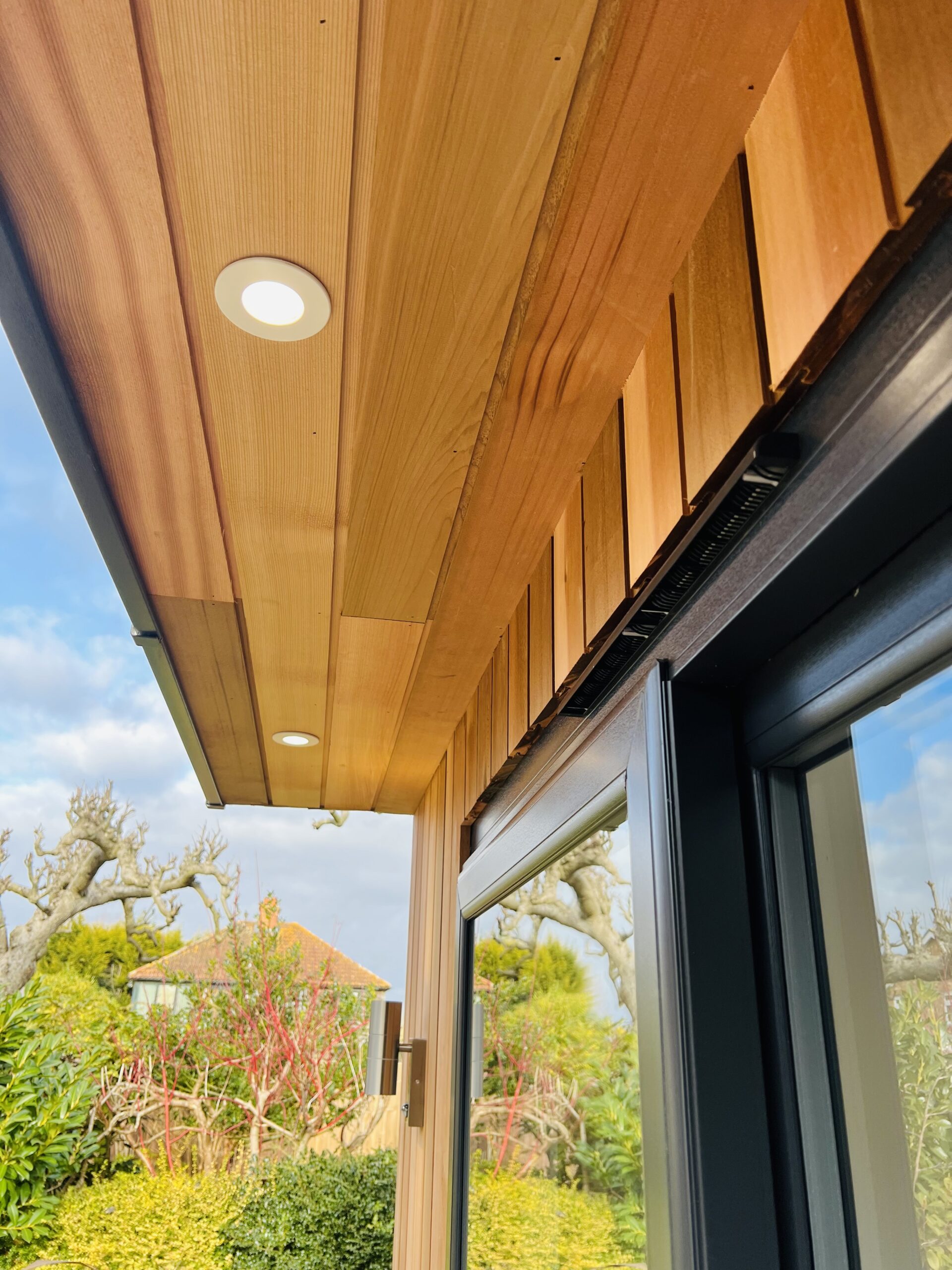
A versatile garden room adapts to every season. Designing with year-round use in mind ensures comfort and functionality no matter the weather.
Energy-Efficient Garden Room Insulation
Keeping your garden room comfortable is all about insulation. Energy-efficient insulation keeps heat in during winter and out during summer. This means you enjoy a pleasant temperature year-round without high energy bills. Proper insulation creates a cosy atmosphere while also being kind to the planet. By investing in energy-efficient options, you’re choosing comfort and sustainability for every season.
Smart Heating and Cooling Solutions
Maintaining the ideal temperature in your garden room is effortless with smart heating and cooling solutions. These systems adjust to your preferences, offering warmth in winter and coolness in summer. They are often programmable and can be controlled remotely, ensuring your space is always just right. These solutions not only enhance comfort but also improve energy efficiency, helping to reduce costs and environmental impact.
Versatility of a Year-Round Garden Studio
Imagine a garden room that adapts to your needs, no matter the season. A year-round garden studio offers exactly that. Whether you’re using it as an office, gym, or creative space, it’s designed for flexibility. With the right features, like strong insulation and smart systems, your studio remains functional and enjoyable throughout the year. It’s the ultimate in versatility, providing a space that evolves with your lifestyle.
Creating a sustainable and durable garden room is about making informed choices. With these features, your space will not only last but also enhance your daily life. Whether you’re in Surrey or beyond, these insights help you craft the perfect retreat.
FAQs & Helpful Pages:
-
Design a 3D garden room for free and get a price within one working day
-
Go to the Planning Portal to read more on Building Regulations
-
Go to the Planning Portal to find out more about Planning Permission and find your Local Authority